
The key takeaway
A useful security program connects visible presence with clear responsibilities, timely reporting, and a practical response plan.
A person who can notice and respond
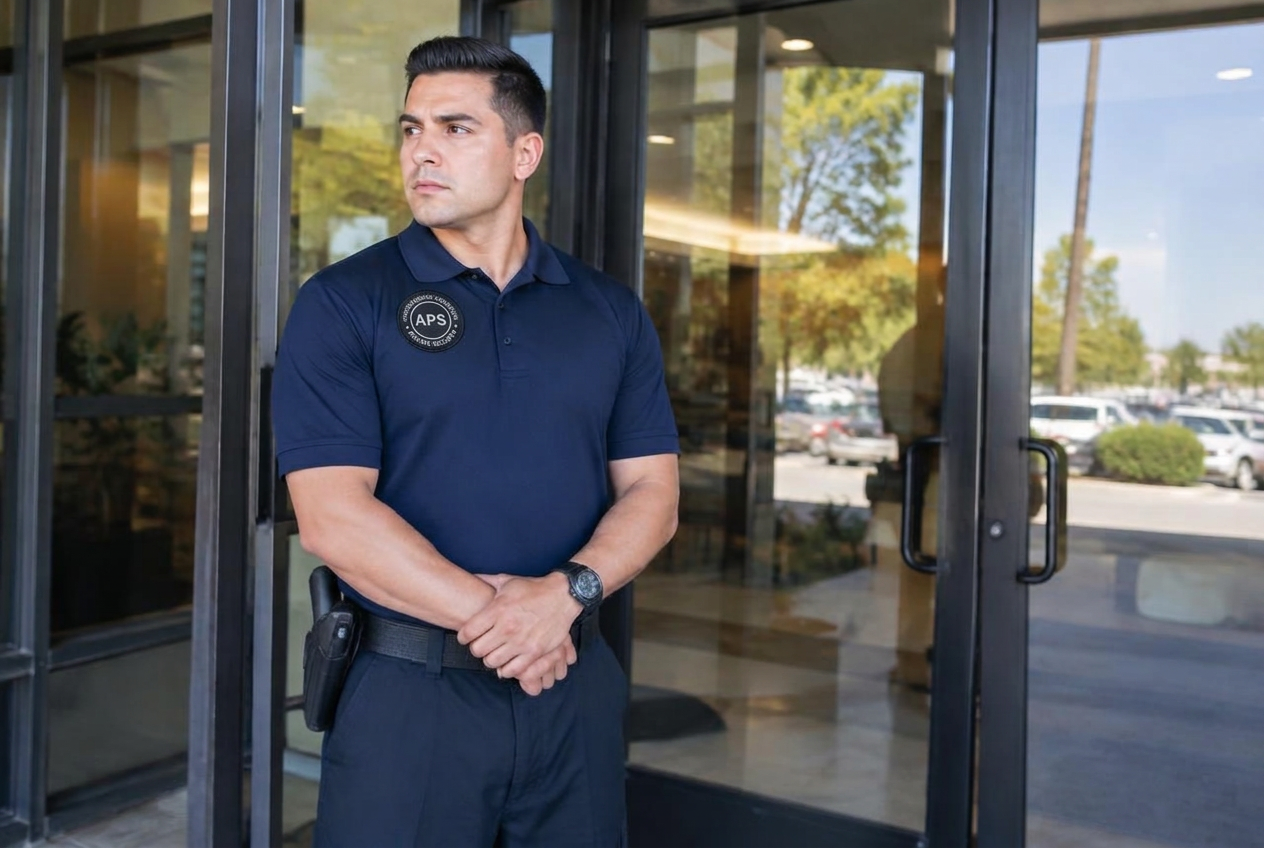
A camera records a scene; a security officer can notice a developing problem, speak with a visitor, contact a manager, and request emergency help. That human judgment is especially useful at entrances, shared amenities, loading areas, and busy public spaces. The goal is not to promise that every incident will be prevented, but to make problems easier to identify and address.
Visible presence can discourage unauthorized activity, but visibility alone is not a complete program. An officer needs a defined patrol route, accurate contact information, and written instructions about what to do when a gate is damaged, a visitor refuses registration, or someone needs assistance.
Protection without unnecessary confrontation
Professional security should support the people who use a property. Courteous directions, calm explanations of site rules, and timely escalation help officers manage difficult situations without treating every guest as a threat. Guards are not a substitute for police, medical professionals, or building maintenance.
For immediate danger, the emergency plan should prioritize contacting 911 and protecting people within the officer’s training and authority. For routine concerns, management should receive objective notes that distinguish what was observed from assumptions about intent.
Match the assignment to the environment
An apartment lobby, construction gate, and event entrance have different needs. Before choosing coverage, review when incidents occur, which access points are vulnerable, and whether the property needs a fixed post, mobile patrol, or both. Buying more hours without fixing unclear duties can leave the same gaps.
Measure the program by completed checks, attendance, report quality, and how quickly concerns reach the right person. Review those indicators with the provider instead of relying only on the absence of complaints.
Your practical checklist
- Identify the main risks and busiest hours.
- Define officer duties and escalation contacts in writing.
- Verify registration and company licensing.
- Agree on reporting and review meetings.
Do guards guarantee that theft will not happen?
No. Security can help deter, detect, document, and respond to incidents, but no provider can guarantee a crime-free property. Effective coverage works alongside lighting, maintained locks, cameras, and management policies.
Official references & further reading
Educational information, not legal advice. Practical recommendations are not guarantees of results or a statement that every feature is included in every APS assignment. Regulations and availability can change; verify current official requirements and confirm your written scope.